
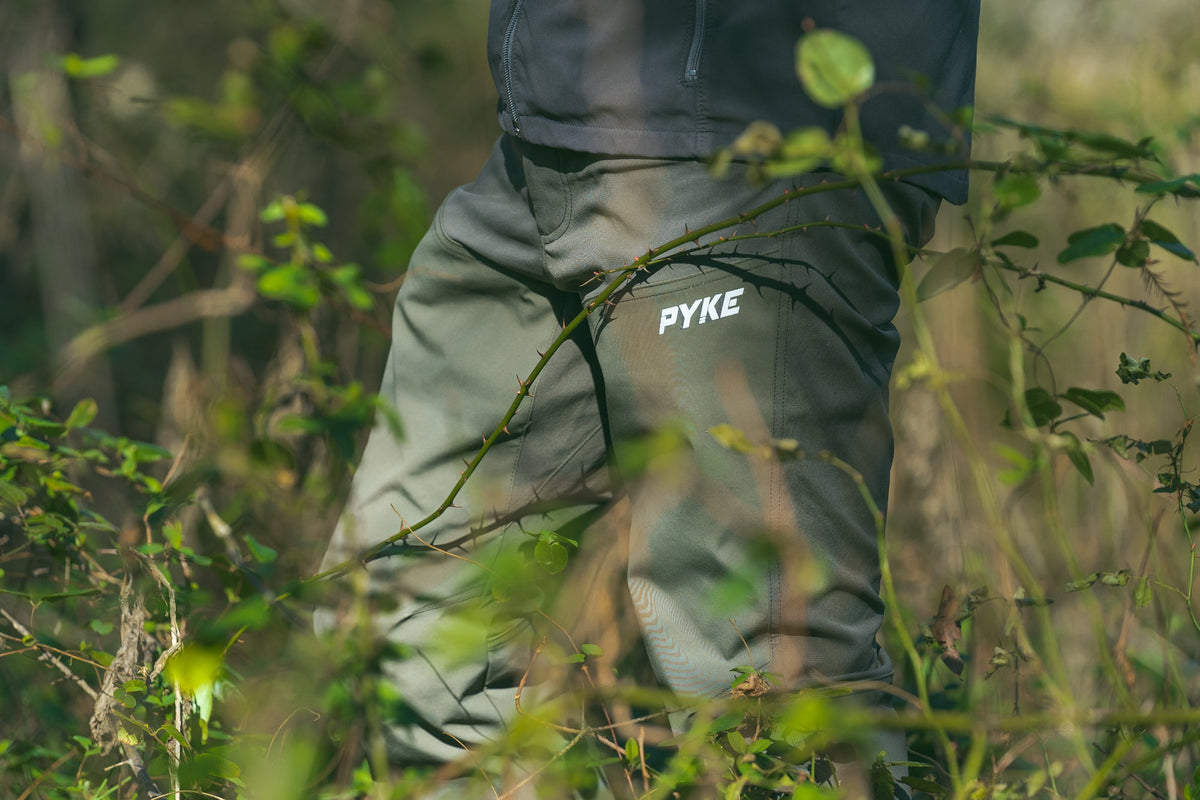
When we go to shows such as Pheasant Fest, its pretty much a guarantee that anyone shopping for upland pants will ask the question, "How are these in briars" or "Are these briar proof"?


First of all, we have to define what a briar is, as it can mean a lot of different things to different people. Most people equate thorns with briars. Raspberry cane, greenbriar and multi-flora rose are a few. These are nasty, and lets be honest, unless you absolutly have to, you are going to avoid them most of the time. There are plenty of other things in the woods that are lying in wait to scratch up your legs. Wild plumb and hawthorn are a couple that come to mind. Often its the tiny hair thin stickers that get through your pants far more than thorny brush.
The other aspect we have to consider is briar resistance vs briar proof. A good upland pant can resist thorns and briars without being "proof". The key to this is the composition of the material and the tightness of the weave. Even a brush pant with thinner materials can achieve this.
Briar "proof" is a high target that most pants, dare I say all pants, will never achieve. Something is going to find its way through and poke you eventually. Unless you are wearing kevlar, its inevitable. Be careful of anyone that claims 100% briar proof pants. We don't. Our Dakota pant handles everything really well, but something is going to find its way through eventually. We are just being honest with our customers.
Shopping for upland pants can be a bit confusing. Upland hunting pants come in three main styles, and the names get tossed around like they mean the same thing. They don't. Be careful and read the fine print(and reviews). Field pants, brush pants, and briar pants each solve a different problem. That problem mostly comes down to two things: the birds you chase and the cover they live in.
I learned this the hard way over plenty of seasons. Over the years, I have figured out that I don't always need a "briar proof" pant especially when its warm out. I get hot fast and a pant that is designed to shed briars is much more useful and often cooler the wear. So let's break down the differences and figure out what you actually need.
Start With the Birds and the Cover
Before you look at a single pair of upland hunting pants, think about where you'll spend most of your season. Upland birds don't all live in the same kind of country.
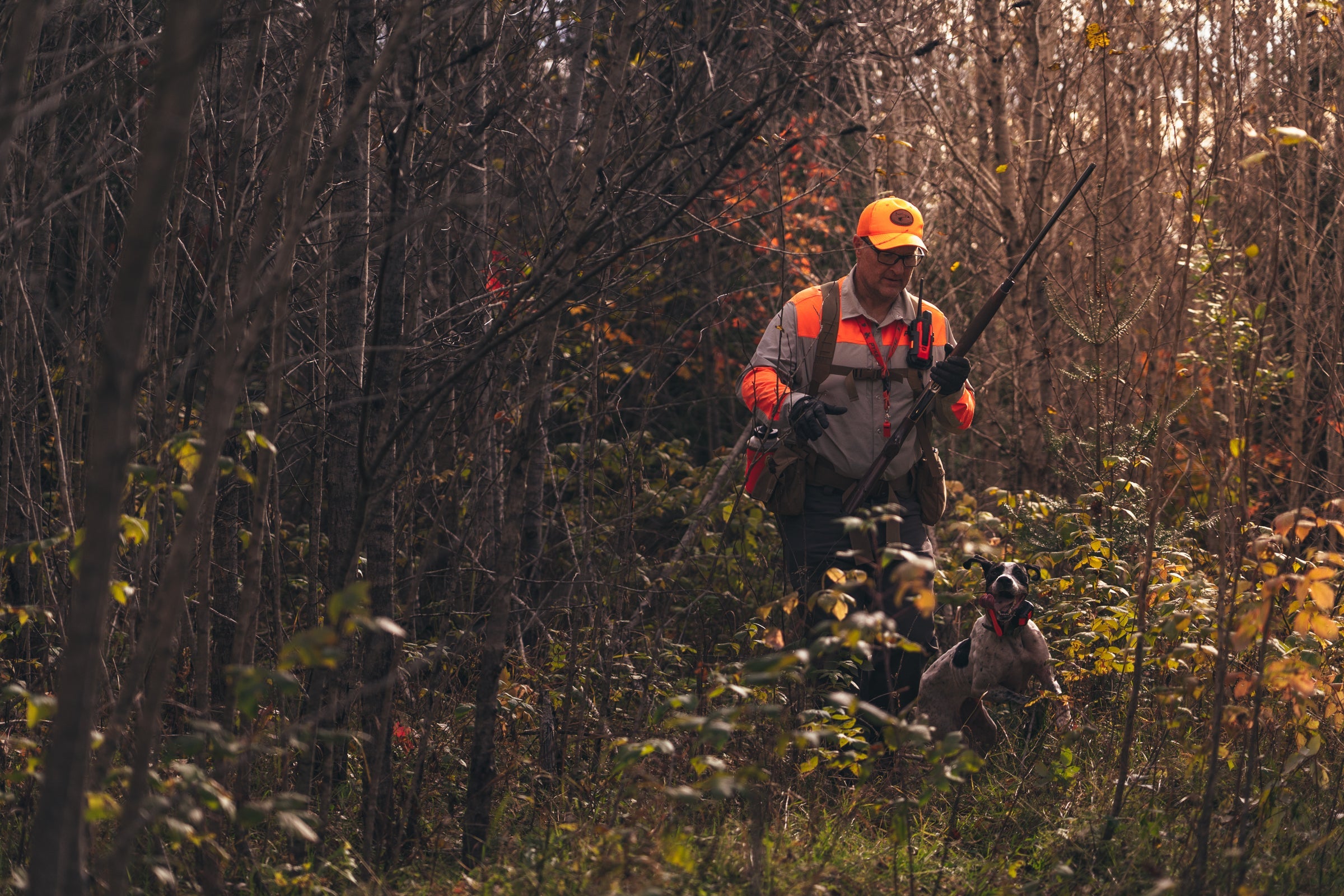
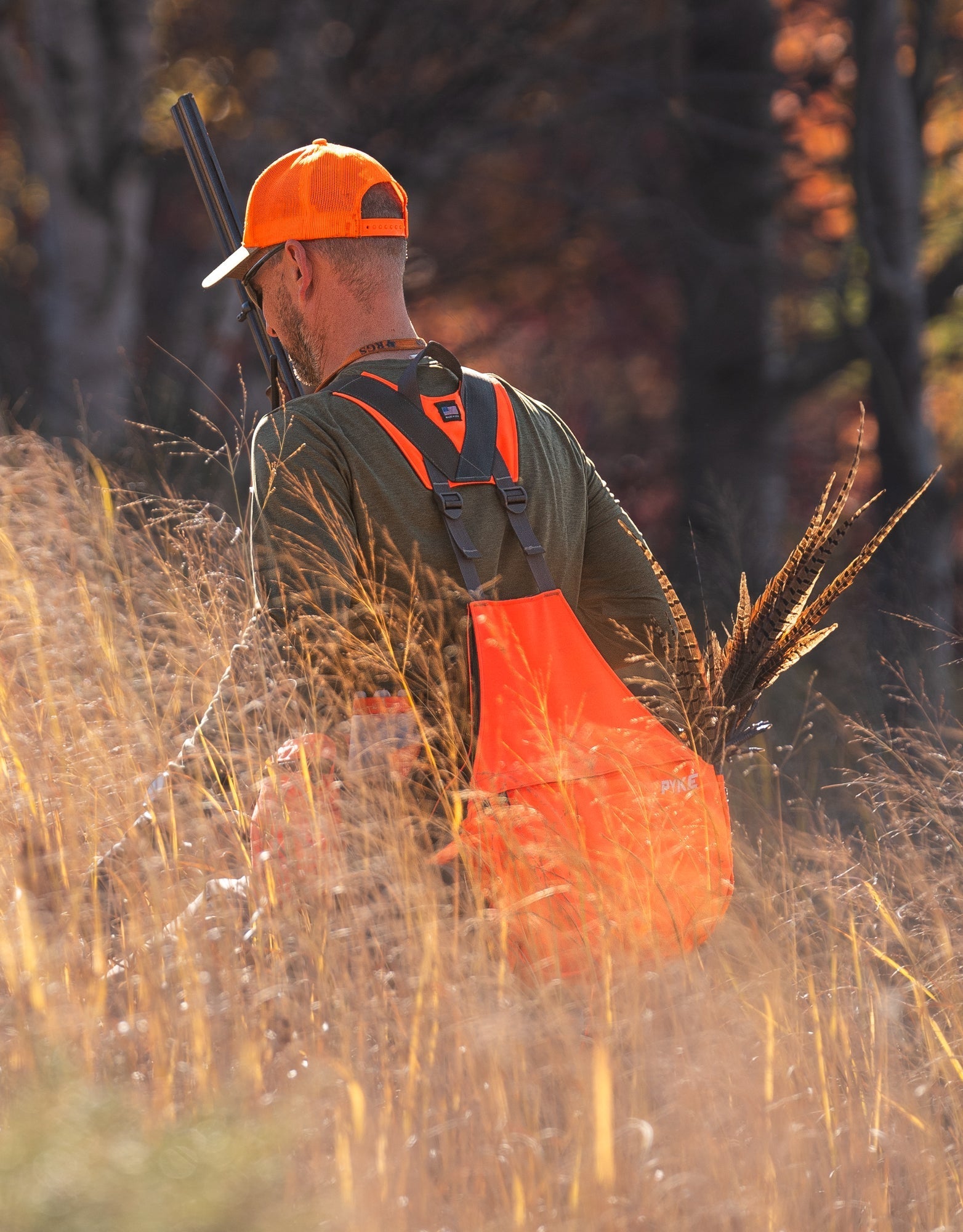
Pheasants love CRP grass, cattail sloughs, and weedy fencerows. Late in the year, they bury themselves in the nastiest thickets they can find. Ruffed grouse and woodcock hold in young aspen, alder runs, and tangled often thorny undergrowth. Bobwhite quail tuck into plum thickets, briar patches, and field edges. Chukar and Huns live on steep, rocky ground where mobility matters most. Sharptails and prairie chickens roam wide open grassland.
Each of those places treats your legs differently. That's why one pant rarely fits every hunt.
Field Pants: Light and Built to Move
Field pants are the lightest option in the upland lineup. Think of them as a tougher version of a good work pant. Most use a durable canvas or nylon blend with little or no facing on the front.
Field pants shine in open country or rocky mountainsides. Early-season sharptails, prairie grouse in knee-high grass, and chukar on steep hillsides all fit here. You'll cover a lot of miles, and you'll sweat doing it. A lighter pant breathes better and lets you climb without fighting your clothes.
The tradeoff is protection. Field pants won't hold up long against thorns. Push them through multiflora rose and you'll feel it. Your pants will show it too. Often field pants will contain spandex or a larger percentage of it. Spandex grabs on to thorns like velcro and will also pill and snag a lot easier.
Brush Pants: The All-Around Workhorse
Brush pants add a protective facing to the front of the legs. That facing is usually a tough nylon layer running from thigh to shin. It shrugs off sticks, saplings, and dry grass while the back of the pant stays lighter.
For most bird hunters, brush pants are the ticket. They handle mixed cover without cooking you on a warm day. Grouse and woodcock woods are classic brush pant country. So are pheasant fields with cattails and scattered shrubs.
The one key distinction in most brush pants is their level of water resistance. Many pants offer little or now water resistance, and will use a DWR in their marketing but don't tell you how this affects the resistance. A good brush pant, like our Tongass pant is lightweight and keeps the moisture out. The outside of the pant may look wet, but that water isn't gettin through to your legs and most importanly, your socks.
If you hunt a little of everything, brush pants are probably where you should start. I personally use our Tongass pant in almost all the hunting I do. They do a decent job of shedding off thorns and pickers and maintain a light breathable wear even when soaked.
Briar Pants: Armor for the Thick Stuff
Briar pants are built for cover that bites back. The facing is heavier and often wraps farther around the leg. Some use tightly woven materials designed to stop thorns before they reach skin.
This is the pant for late-season roosters holed up in thorny draws. It's the pant for southern quail in greenbrier and blackberry tangles. It's also the pant for dense hedgerows nothing else will get you through.
Briar pants run heavier and warmer, which is welcome in November and December. In September, they can feel like overkill. But if your hunts are mostly cold and thorny, nothing else will do. The real question comes down to how well they manage heat and moisture. Even in the coldest weather, you sweat. Upland Hunting Pants that are heavy canvas or waxed often don't breathe and moisture builds up on the inside. Same with chaps. They offer great protection when worn over other pants, but they don't breathe and limit your range of motion.
Weather Matters Too
Cover is only half the story. Early-season hunts often mean dew-soaked grass and warm afternoons. A breathable pant with strong water resistance keeps you dry without trapping heat. That's the thinking behind our Tongass Extreme, a highly water-resistant, breathable pant built for early season.
Late-season hunts flip that around. Wet snow and frozen cattails call for more weight and more protection. Many hunters end up owning two pairs of upland hunting pants for exactly this reason.
How to Shop for Upland Hunting Pants
Shopping gets simple once you're honest about your season. Start with the cover you hunt most, not the toughest cover you'll see once a year.
If you mostly walk open grass and big country, field pants will keep you light and comfortable. If you hunt a mix of woods, fields, and edges, brush pants will cover almost every day afield. If your birds live in thorns, go straight to briar pants and don't look back.
Next, think about fit. Good upland hunting pants give you room to step over deadfall and climb fence lines. Look for articulated knees, a gusseted crotch, and a waist that stays put.
Finally, check the facing coverage. Front-only facing breathes better. Wraparound facing protects more. Match that to your cover and you won't go wrong.
Finding the Right Pair
The best upland hunting pants are the ones you forget about in the field. You shouldn't be thinking about thorns, wet legs, or tight seams. You should be watching your dog and waiting for the flush.
Pyke Gear was born in Michigan, where the grouse woods test our gear every fall. Our Dakota Upland Briar Pant has earned Outdoor Life's Best Upland Pant award five years running, and for good reason. They are a great all-round upland hunting pant. For me, the Tongass just check all the boxes. If I get a little cold, I can add a base layer and still maintain the light, breathable aspect of a great brush pant.
Want to compare some of the leading upland pants on the market? Check out the full comparison here: Compare 7 Technical Upland Hunting Pants