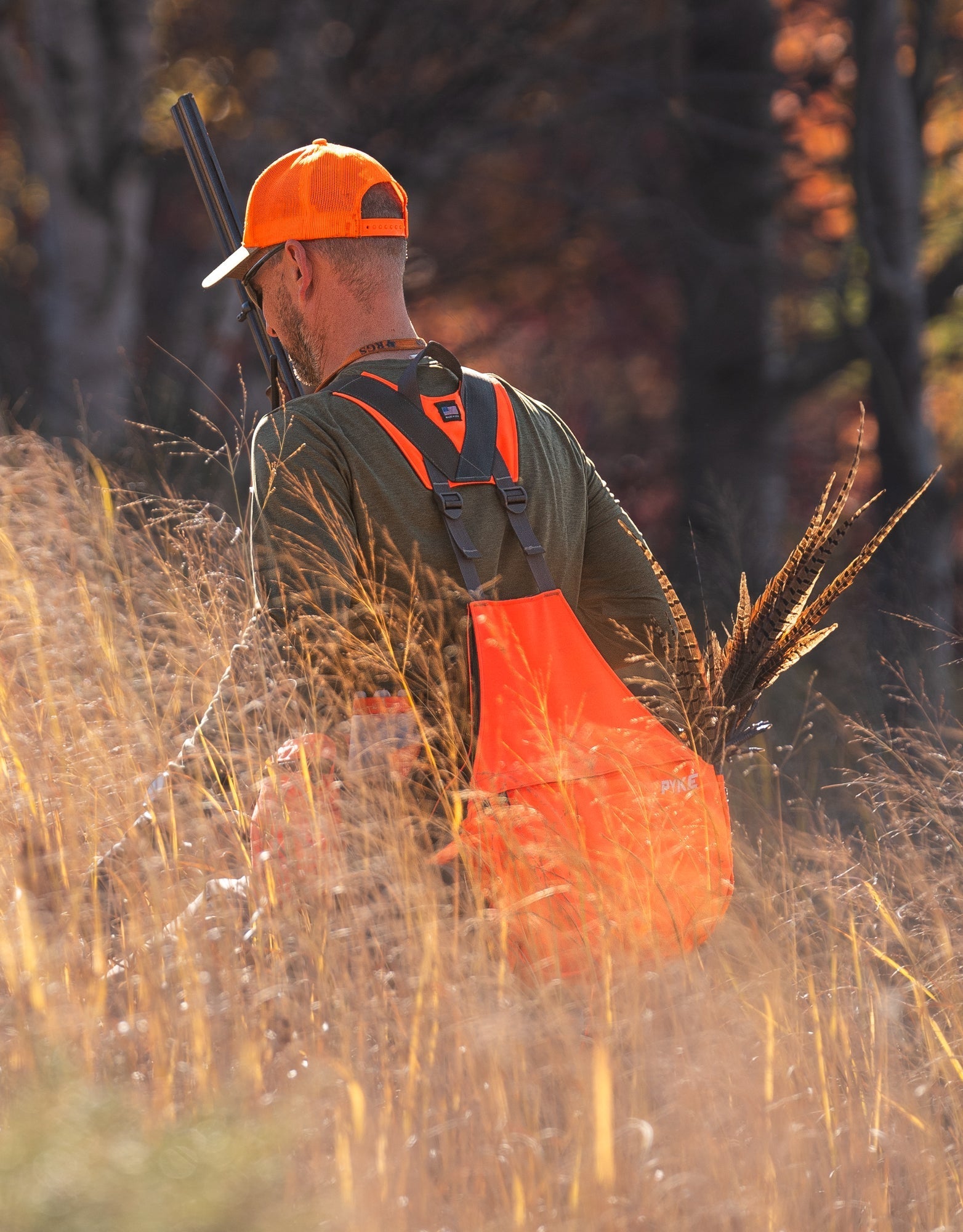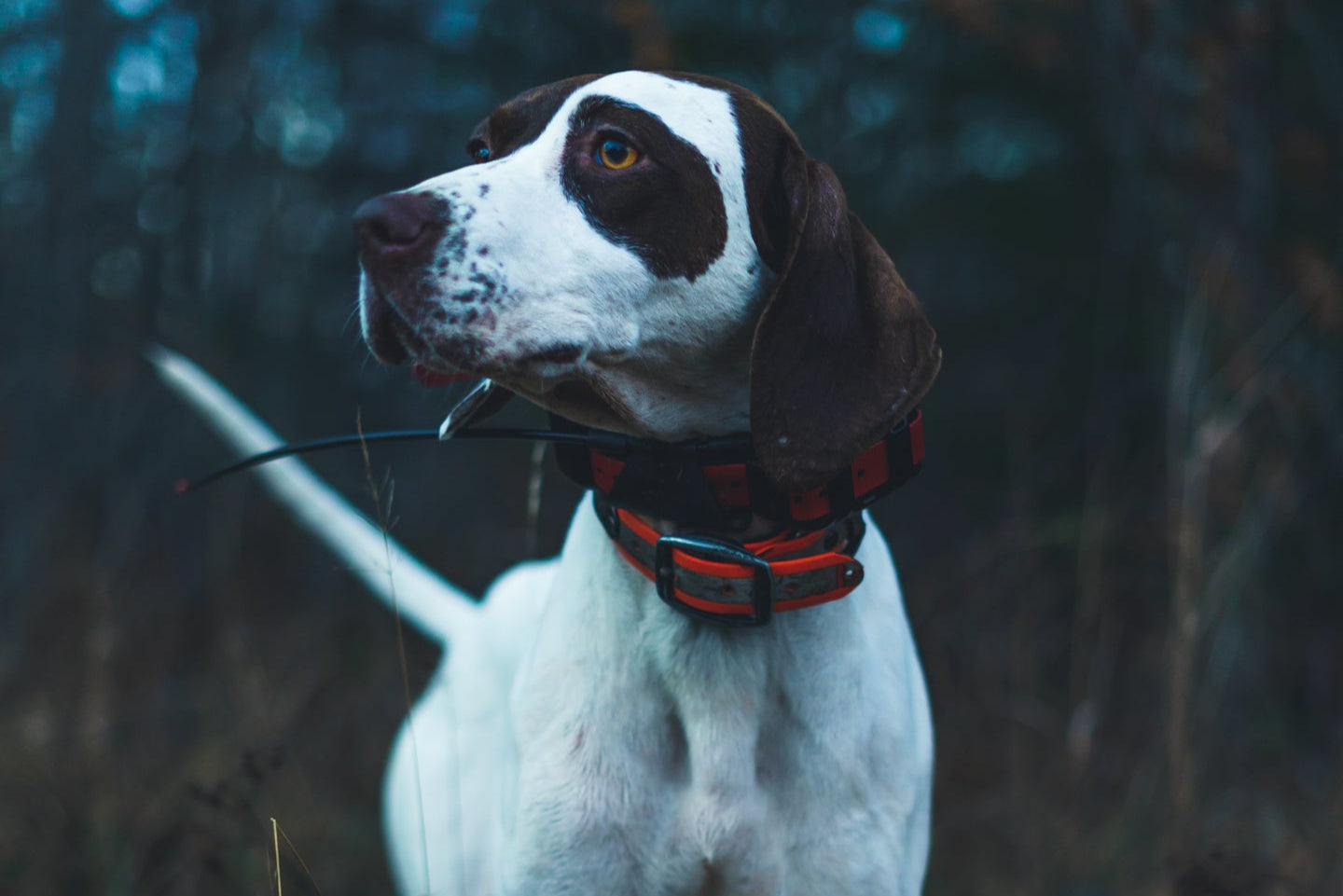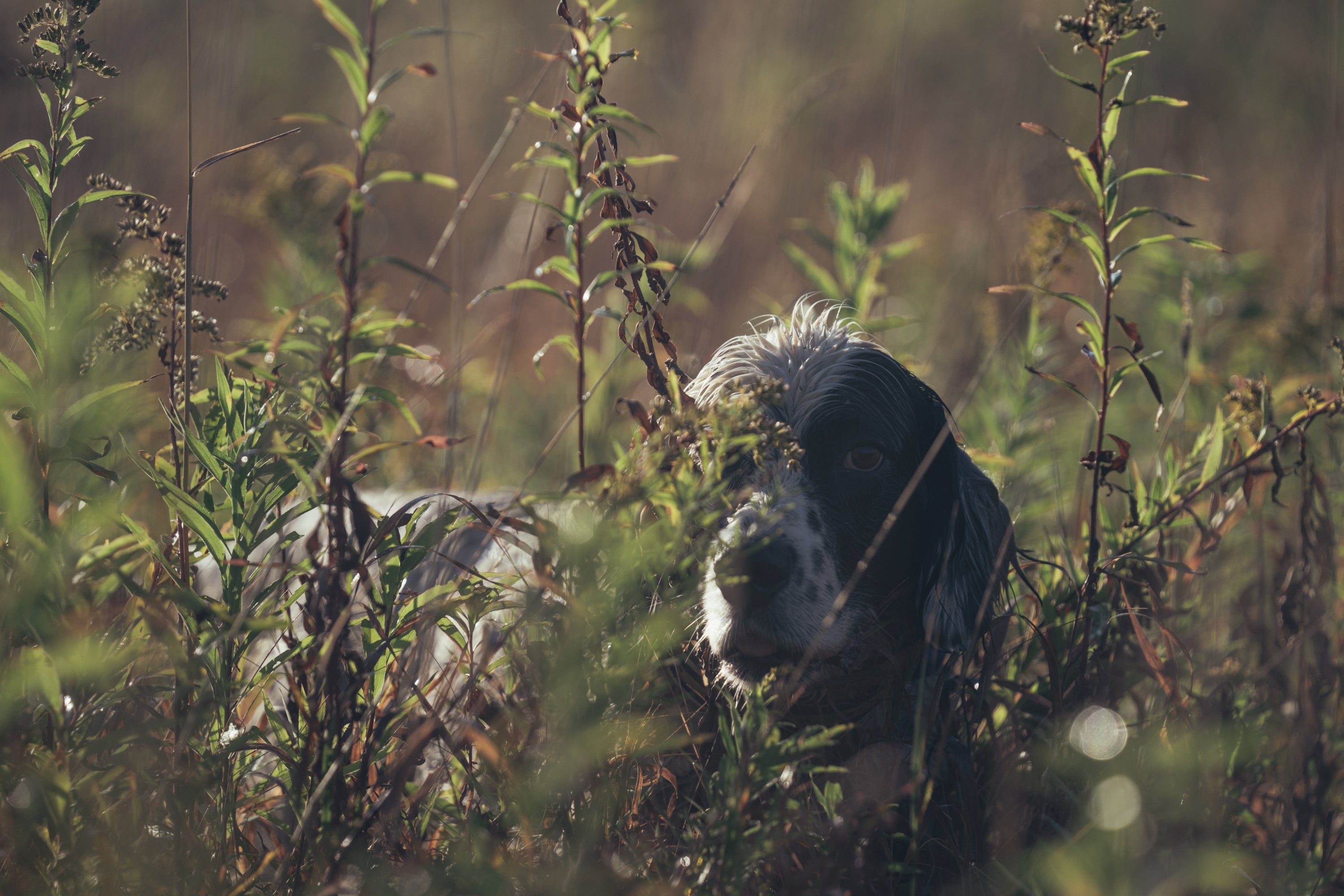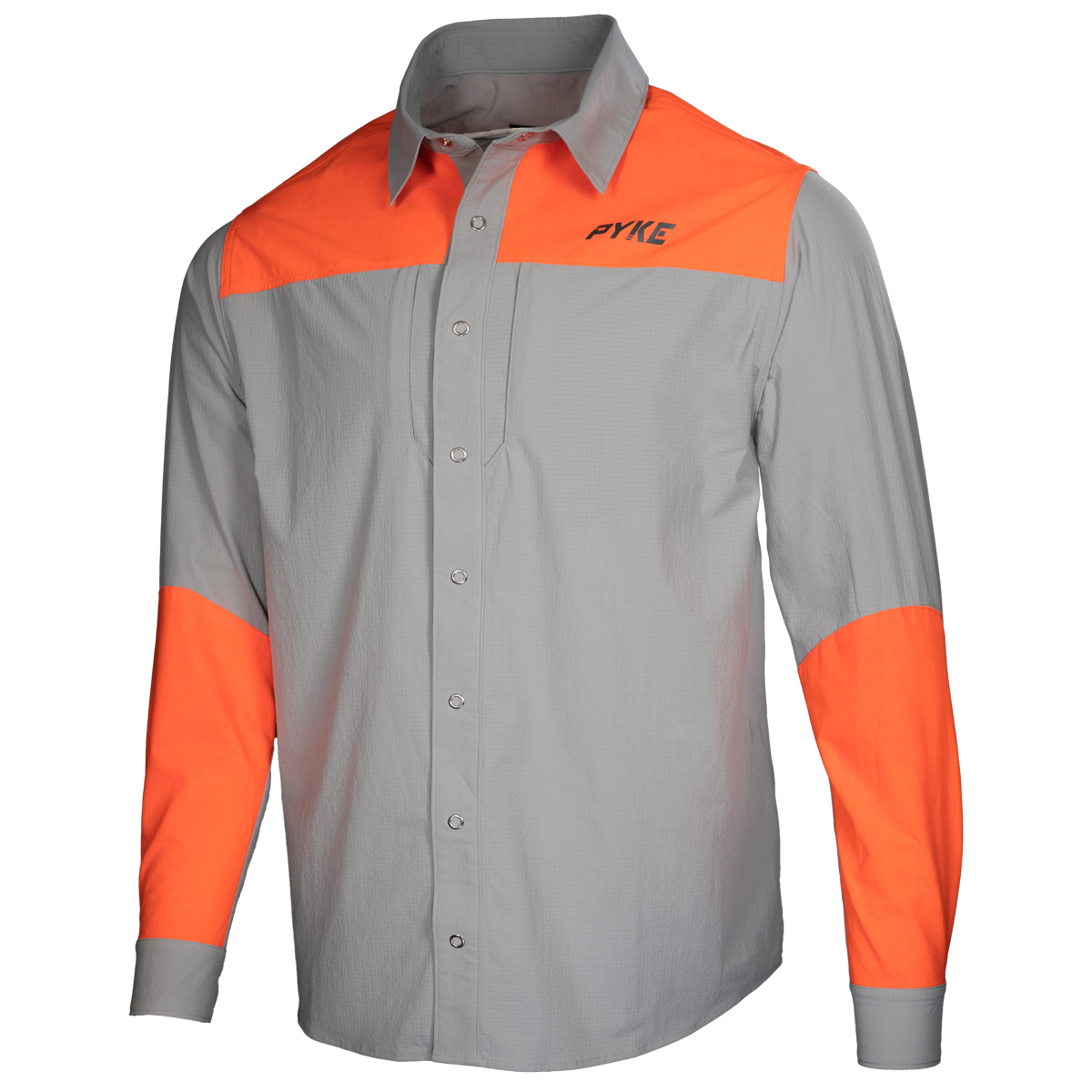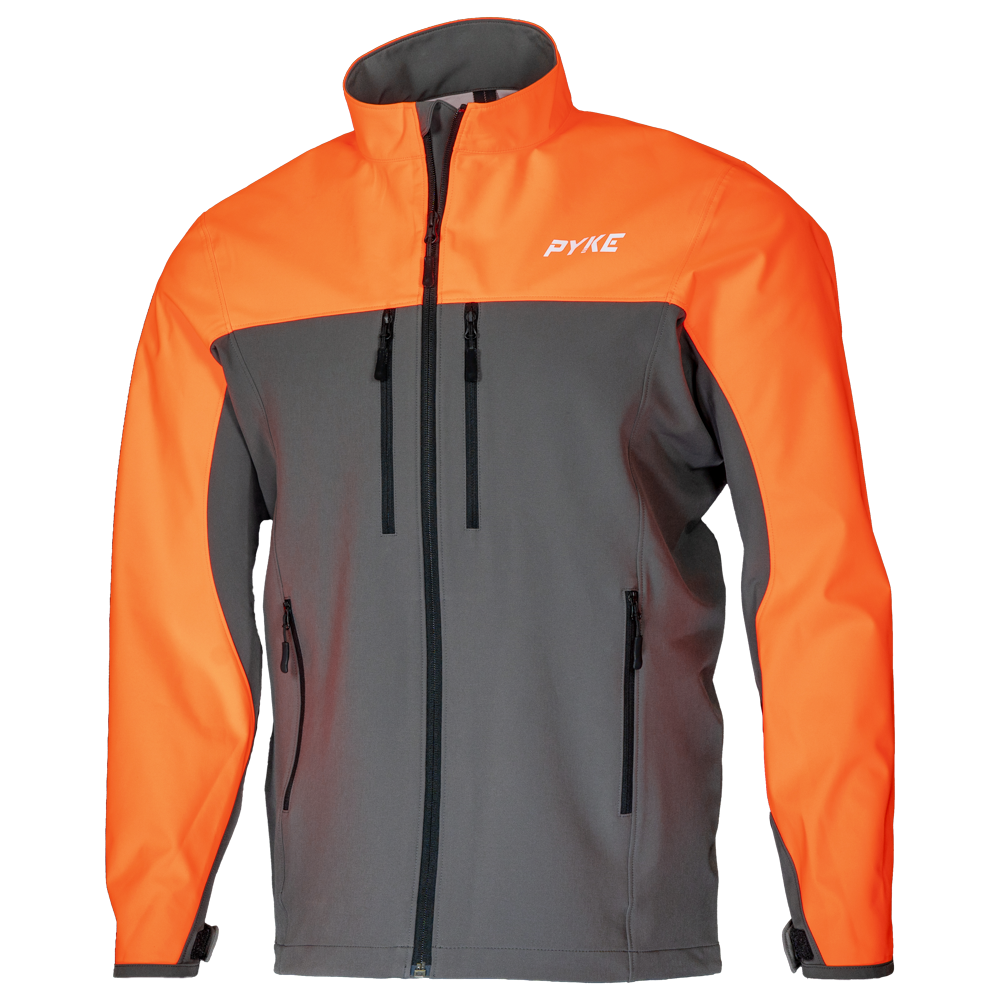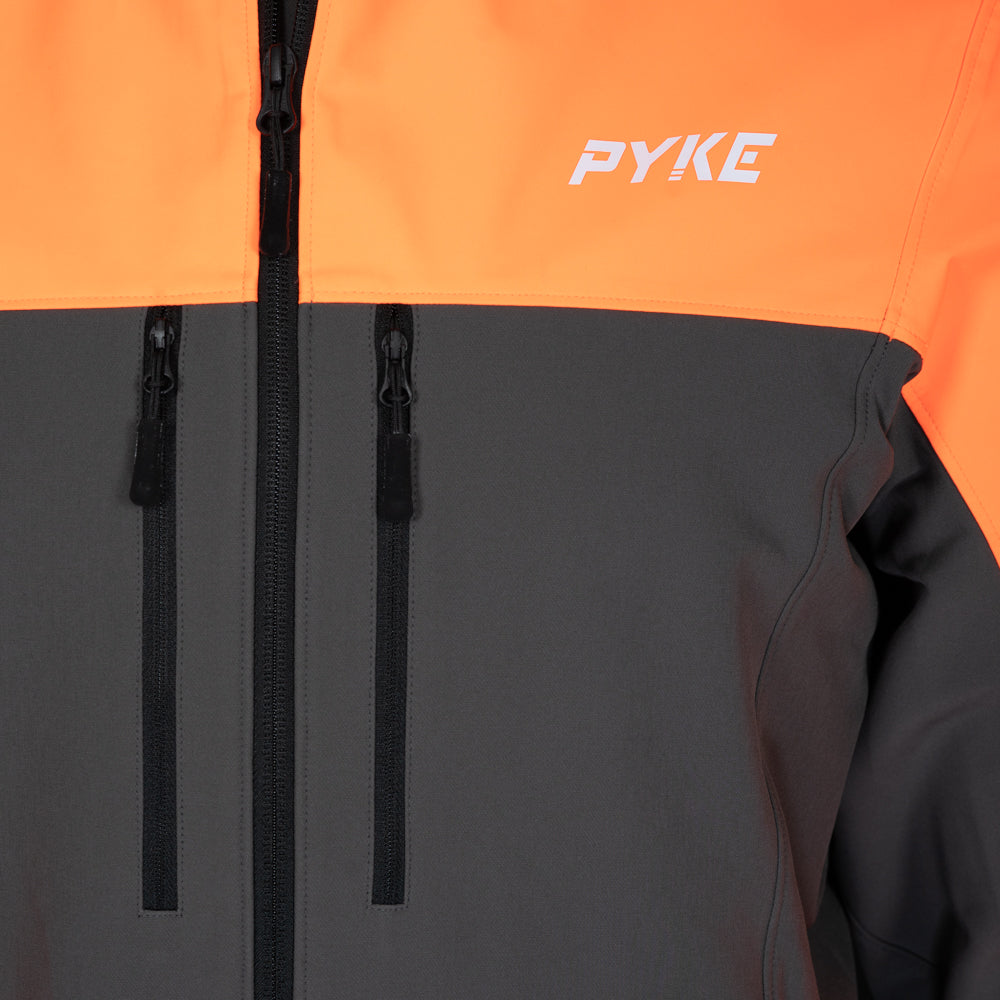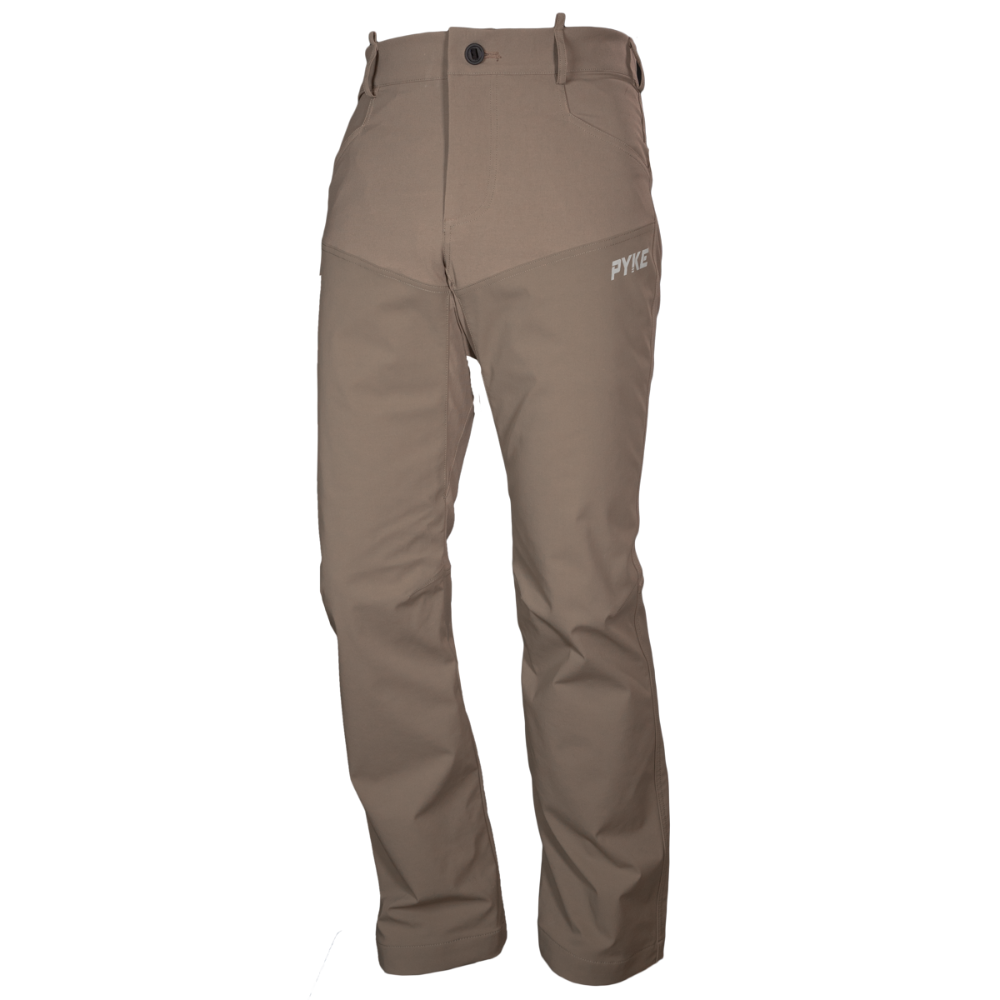

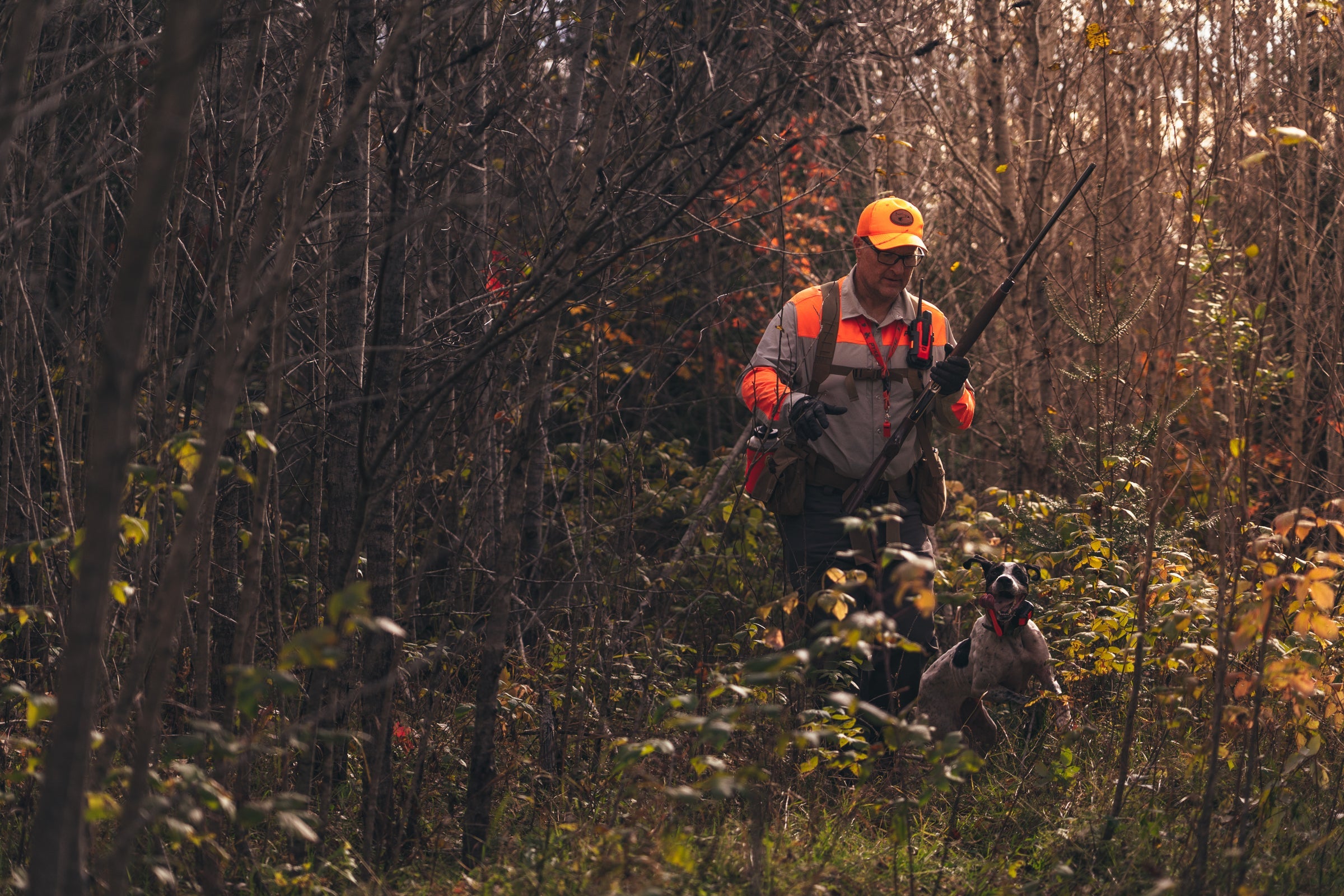
On a cool, dry October afternoon, you can hunt birds in just about anything. It’s those glorious Saturdays or Sundays where your favorite team is on the radio and your sharing your lunch on the tailgate with your best bird dog.
Jeans will work. Work pants will work. Even a basic pair of hiking pants with some chaps can get you through the day, but good weather isn't when you find out whether your upland pants are any good.
I’ve told this story many times but you can hear it again. I was new to bird hunting and just bought all kinds of fancy waxed canvas clothing and couldn’t wait to hit the covert with my GSP Kylie. The alders and aspens were soaked from an overnight rain but the sun was popping out and we headed into the brush. I got about 15 minutes away from the car and realized, this sucks! I was sweating to death and with all that rain, I was still getting wet. Bad weather and tough cover are where good upland pants earn their keep. And if you're trying to decide what to look for in your next pair, there are a few things that matter a lot more than they might appear to on the rack.

Start With the Facing
For serious upland hunting, the facing material is arguably the most important part of the pant. The front of your legs takes a beating. Briars grab you. Thorns scrape you. Young saplings whip against your legs. Wet grass and dew from the aspens constantly brushes against the fabric. And when you're hunting grouse and woodcock, you may spend most of the day pushing through cover that seems determined to stop you.
That's why we believe a good upland pant should have a tough, waterproof and breathable facing. Those three characteristics need to work together. Toughness protects the pant—and your legs—from abrasive cover. Waterproofing keeps moisture from soaking through when you're walking through wet grass, brush and undergrowth. Don’t forget to re-apply the DWR after heavy use. Breathability helps manage the heat and moisture you're producing from the inside. That last one is important. Upland hunting is active hunting. You're walking, climbing, stepping over logs and constantly working your way through cover. A completely waterproof material isn't necessarily a good solution if it traps so much heat and moisture that you end up soaked from sweat instead. The goal is protection from the outside without creating a sauna on the inside.

Nylon vs. Polyester: There Is a Difference
You'll commonly see both nylon and polyester used in outdoor clothing. Both have their place, but when we're talking specifically about the protective facing on an upland pant, nylon is a superior choice. Nylon generally offers excellent abrasion resistance and toughness for its weight, which is exactly what we're looking for when a fabric is going to spend its life rubbing against briars, brush and branches. Polyester can make a perfectly good outdoor fabric, but for the high-wear areas of a serious upland pant, a quality nylon facing is hands down the best choice. Of course, the fiber itself isn't the entire story. Fabric weight, weave, construction, finishing and waterproof technology all matter, there are plenty of cheap nylon pants out there.
Stretch has become extremely popular in outdoor clothing—and some stretch is a good thing, in fact all of our clothing has stretch in it, pants, shirts, jackets you name it. You want enough freedom of movement to comfortably step over logs, climb hills, kneel down and navigate difficult terrain, but more stretch isn't automatically better. Spandex, sometimes listed as elastane, is what gives many fabrics their stretch. In an upland pant, we generally prefer fabrics with minimal spandex—roughly 5–6% or less. High-spandex content fabrics can hold considerably more moisture, spandex holds moisture and doesn’t dry as fast as nylon or polyester. That's not what you want when you're spending hours walking through wet cover. The other problem with too much stretch in your fabric is instead of resisting a branch or briar and allowing you to push past it, highly elastic material can stretch around the obstruction and hang up. That may feel great in the dressing room, but the woods are a much better test of an upland pant than the dressing room. We want enough stretch for unrestricted movement without turning the pant into a pair of yoga pants.

Waterproof Doesn't Mean You Should Ignore Breathability
This is one of the biggest balancing acts in designing technical hunting clothing. It's relatively easy to make something waterproof, a garbage bag is waterproof. It's much harder to make something waterproof and comfortable to walk miles in. If you've ever worn traditional non-breathable rain gear while hiking, you know the problem. You may keep the rain out, but eventually you're wet from the inside, often times folks think their jacket or pants are leaking but it’s just sweat condensing on the material. A good upland pant needs to manage both sides of that equation. The facing should provide a meaningful barrier against moisture coming through the brush while still allowing heat and perspiration to escape. This becomes especially important during those classic upland mornings when it's 40 degrees, everything is dripping wet and you're working hard enough that your body thinks it's 70.
Pay Attention to Where the Protection Is
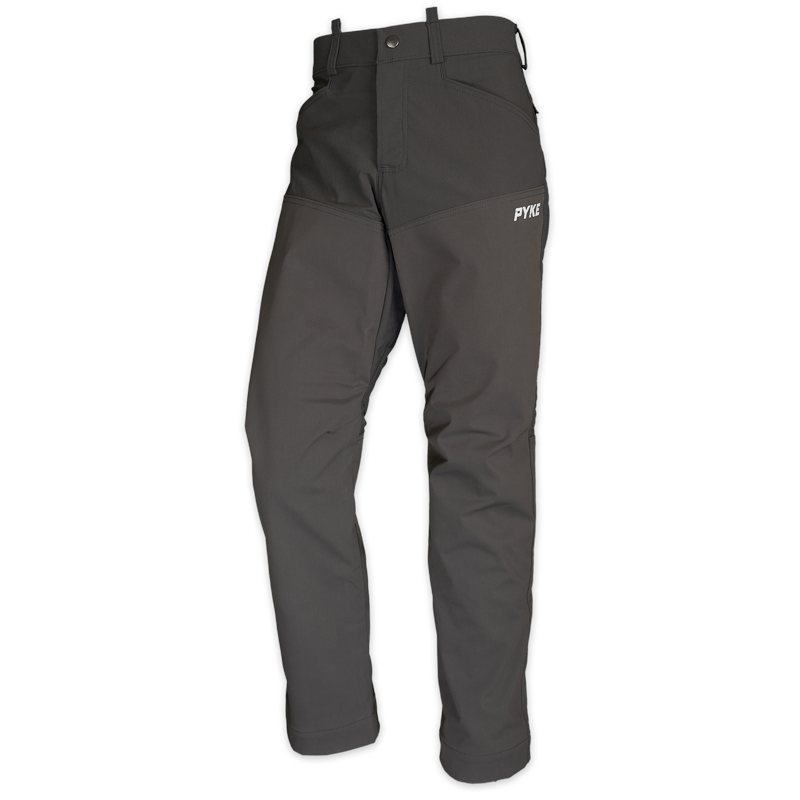
Not every square inch of an upland pant needs to be built like armor. In fact, making the entire pant from heavy protective material can make it unnecessarily hot, stiff and uncomfortable. Good design puts protection where you actually need it while allowing lighter, more breathable materials to be used where you don't. Think about how you walk through cover. Your thighs, knees and lower legs are constantly pushing vegetation out of the way. Those areas need protection. Other areas can prioritize breathability, flexibility and weight savings. The result should be a pant that protects like a brush pant without feeling like an old-fashioned brush pant.
Don't Forget Fit and Mobility
A technically impressive fabric doesn't mean much if the pants don't move with you. Upland hunting involves an unusual amount of stepping over things. Logs, fences, blowdowns, creeks and don’t forget ducking under logs, trees an barbed wire fences. You might take thousands of normal steps during a hunt, but it's the hundreds of awkward ones that expose a poorly designed pant. Look for enough room through the seat and thighs, articulated knees where appropriate, and a pattern that allows you to take a high step without constantly pulling the pant up or fighting against the fabric. Technical pants should fit a little closer to the body than your old traditional pants that were build oversized to accommodate your movement. Good upland pants should almost disappear while you're hunting. I’ve had numerous guys tell me that they can hunt longer now than they could before because they aren’t fighting there clothing and the cover.
Think About the Worst Day You'll Hunt, Not the Best
This may be the easiest way to evaluate upland gear. Don't picture the perfect 55-degree October afternoon with dry leaves and blue skies. Picture a miserable day it's 38 degrees, it rained all night, the grass and woods are soaking wet, the alder and aspen leaves are dripping wet all day long. You're two hours into a hunt, several miles from the truck, and the dog just disappeared into the thickest cover you've seen all morning, that's when your clothing matters. Anyone can make pants that are comfortable standing in the parking lot, good upland gear needs to work when the weather and cover aren't cooperating.
The Bottom Line
When shopping for upland pants, don't get distracted by the longest feature list.
Start with the things that actually matter in the field:
- A tough, waterproof and breathable facing
- Durable materials designed to withstand brush and briars
- Nylon facing, which we prefer over polyester for its toughness and abrasion resistance
- Minimal spandex—ideally around 5–6% or less—to provide mobility without excessive water retention or stretch
- Breathable construction for high-output hunting
- Protection placed where your legs actually encounter cover
- A fit that allows you to climb, step and move naturally
Because on a beautiful day, almost any pair of pants will work. It's when the weather turns bad, the cover gets thick and the miles start adding up that you find out whether your gear was actually designed for upland hunting.
At PYKE Gear, that's the kind of day we think about when we design clothing—because those are often the days we remember most.