
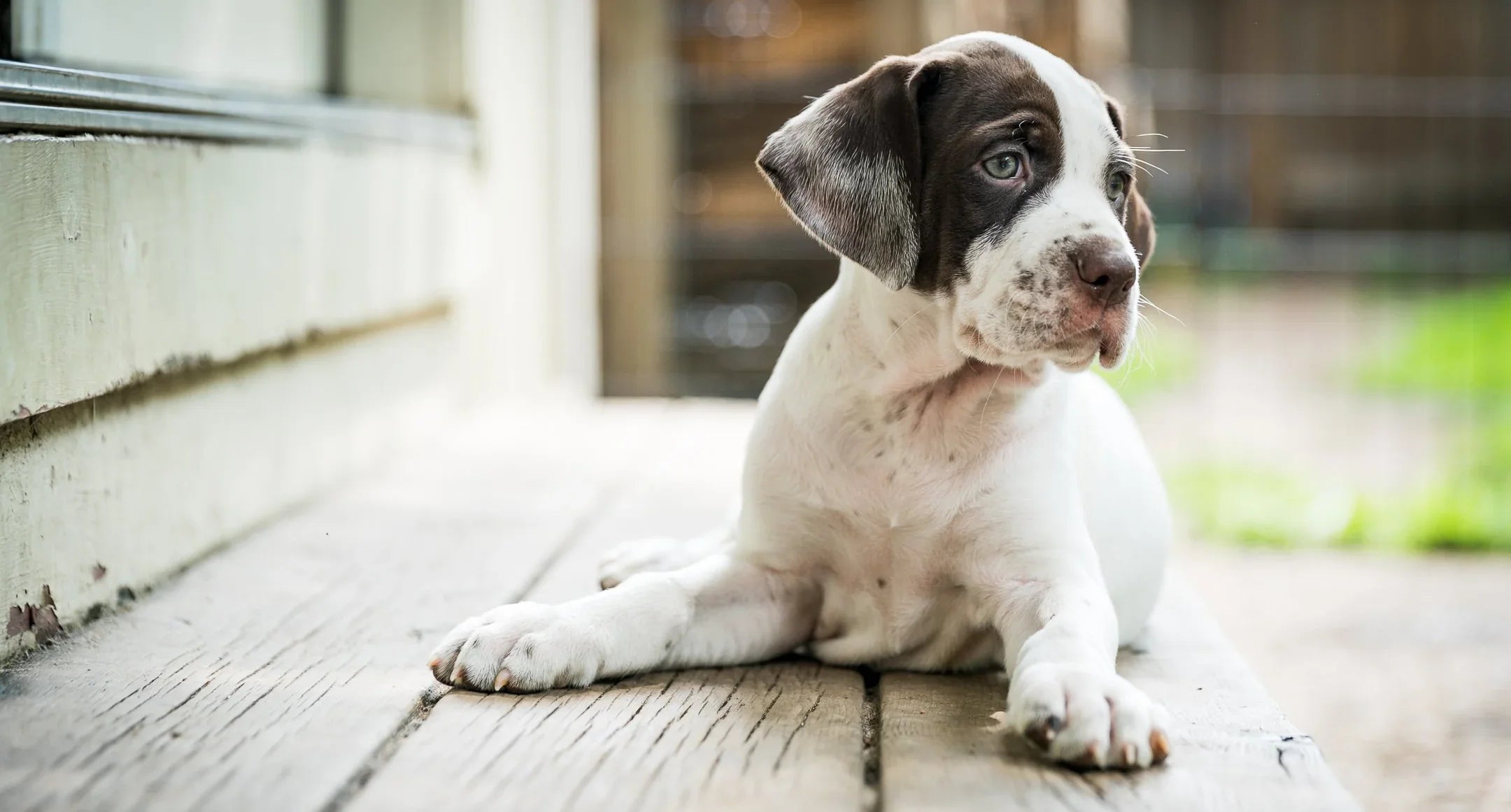
It would seem that given all the extra time most people have found themselves with in 2020, taking on a puppy just sort of makes sense. You can be home with it, socialize it properly, and give it more attention than if you were otherwise at work. I say work, but we all know puppies are a lot of work, and can be exhausting. However, we spend our time building foundations for the future dog that they will become, and in the end it is worth it. Most of the puppy antics will be forgotten in a short while and all we will have are a few (hopefully good) memories and some images and video to go along with it. Everyone loves puppy pics. You see them everywhere. Especially if you are on social media. Politics may become background noise on your feeds, but you will pause on a puppy picture or video every time. Why? Because everyone appreciates the innocence and cute clumsiness of a puppy. It’s important to document these first few months of a dog’s life, as they pass by really quick and are over before you know it. Here are some tips for making sure you get scroll-stopping pics of your pup for your friends and family to enjoy. The equipment you use doesn't matter, just have fun shooting.
Harnessing Natural Light for Vibrant Photos
Natural light is the fastest way to improve a puppy picture without buying new gear. Aim for early morning or late afternoon when the sun is low and soft. This “golden hour” reduces harsh shadows and keeps fur detail crisp. If the sun is strong, move into open shade near trees or a building edge. Shade creates even lighting and helps avoid squinting. Keep the sun behind you for bright eyes, or place it behind the puppy for a glowing rim light. Then tap-to-focus on the eyes and lock exposure if your phone allows it.
For beginners, a simple rule works well: if the puppy’s face looks evenly lit, the photo will look cleaner. Watch for patchy sunlight through leaves because it can create distracting spots on fur. If you see speckles, shift a few feet until the light becomes smooth. These small moves often matter more than camera settings.

Showcasing Your Puppy’s Personality in Nature
Outdoor spaces give a puppy room to show natural behavior, which is the fastest path to a strong puppy picture. Instead of forcing a pose, let the puppy explore for a minute. Then photograph the moments that reveal personality, like a head tilt, a proud stance, or a playful bounce. Candid frames often become favorites because they feel honest. Use a low angle by kneeling so the puppy looks larger and more connected to the environment. That perspective also helps blur the background and keeps attention on the face.
Look for simple “story” elements in nature. A puppy sniffing flowers, plahying with its first bird, or splashing near a shoreline creates context without needing props. These outdoor puppy photo ideas work best when the background stays clean. Move your feet until the horizon line and bright objects stop competing with the puppy.

Make Them Comfortable
Comfort and safety drive better photos. Choose ground that is stable and not too hot, like grass, packed dirt, or a shaded rock. Avoid areas with burrs, sharp sticks, or heavy foot traffic. A comfortable puppy stays engaged longer, which increases your chances of a sharp puppy picture. Bring water, take short breaks, and keep sessions to 10–15 minutes for young dogs. If the puppy seems overwhelmed, step back, reduce noise, and try again later. Calm sessions produce better expressions than rushed ones.
Also consider how the spot supports your composition. A small hill can create a clean sky background. A wide trail can give leading lines that guide the eye to the puppy. When you pick a location that is both functional and comfortable, you spend less time managing problems and more time capturing great frames.
Wait Them Out
Puppies tire easily. They may play hard and fast, but they will fall asleep just as quick, and that can be the perfect time to take a few images. In fact, sleeping is a far better way to remember a puppy, than when your favorite shoes became a chew toy. Most often, you can also move and place them to just about anywhere, and they will continue to sleep unaffected by the commotion. This also gives you the opportunity to stage them with props and other situations that might be distracting to an awake puppy.
Ensuring Your Puppy is Comfortable and Relaxed
Comfort is the foundation of tips for puppy photography. Schedule the session after light exercise, not when the puppy is bursting with energy. A short walk can take the edge off while keeping the puppy alert. Bring high-value treats and reward calm behavior. If the puppy is anxious, avoid crowded parks and choose a quieter trail or backyard. Keep your voice calm and movements smooth. Fast gestures can trigger jumping or nipping, which makes it harder to capture a clean puppy picture.
Pay attention to temperature and surfaces. In warm weather, avoid midday heat and hot pavement. In cold weather, keep sessions short and watch for shivering. A comfortable puppy holds attention longer, which gives you time to try different angles and outdoor puppy photo ideas without stress.

Gear Talk
Choosing the Right Camera and Accessories
A smartphone is enough for most beginners, especially if it has portrait mode and a burst feature. Burst mode helps with tips for photographing active puppies because it captures several frames per second. If you use a dslr or slr digital camera, a 35mm or 50mm prime lens works well for natural-looking portraits, while a zoom lens can add flexibility. Keep settings simple: use a fast shutter when the puppy moves, and raise ISO if needed. If your device offers “pet eye autofocus,” turn it on.
Bring a few small accessories that make a big difference. A squeaker toy can pull attention toward the lens. A leash keeps the puppy safe, and you can remove it later with basic editing. A microfiber cloth helps clean a wet nose smear from your lens. These tools improve your odds of a sharp, well-timed puppy picture without slowing you down.
Be Prepared To Move
Active puppies are unpredictable, but that is also what makes a great puppy picture feel alive. The goal is not to eliminate movement. The goal is to anticipate it and use simple techniques that increase your keeper rate. With the right approach, beginners can capture sharp action, bright eyes, and natural expressions. These tips for photographing active puppies focus on timing, attention, and camera settings that match real puppy behavior.
How to Get Your Puppy to Sit Still for Pictures
Many owners ask how to get your puppy to sit still for pictures, and the answer is short bursts of structure. Start with a basic “sit” or “down” in a low-distraction area. Reward quickly, then release. Keep the pose time to one or two seconds at first. If you push too long, the puppy will break position and get frustrated. Use a treat held near your lens to guide the gaze, but avoid blocking the face. Take a few frames, praise, and then let the puppy move again.
A helper can improve results. One person can handle the leash and cues while the photographer focuses on framing. If you are alone, use a long leash and step on it gently to limit sudden lunges. This method keeps the puppy safe and increases the chance of a clean puppy picture without harsh restraint.
Capturing Dynamic Moments with Fast Shutter
Action shots require speed. If your camera allows manual control, aim for 1/500s or faster for running and jumping. For slower movement, 1/250s can work. On a phone, use burst mode and good light to keep shutter speed high. Focus on the eyes or face, then track the puppy as it moves. When the puppy runs toward you, keep the camera low and shoot continuously. That angle creates energy and makes the puppy picture feel immersive.
Also watch your background. A clean background makes motion look intentional. If the scene is busy, move a few steps to place the puppy against grass, water, or distant trees. This simple change improves clarity more than heavy editing later.
Using Treats, Toys, and Sounds to Grab Attention
Attention tools are essential tips for puppy photography because puppies rarely look at the lens on command. Use a squeaker or a soft whistle to get a quick head turn. Then shoot immediately because the expression changes fast. Treats work best when they are small and frequent. Give a reward after a successful frame, not before, so the puppy does not rush the camera. Toys help for playful expressions, but keep them simple so they do not cover the face.
Candid Play Shots: Capturing Action and Joy
Candid play is one of the easiest ways to get a joyful puppy picture. Photograph the puppy chasing a ball, pouncing on leaves, or splashing at the edge of a creek. Use burst mode and keep your focus point on the face. Try panning by moving the camera with the puppy to create a sharp subject and a slightly blurred background. This technique adds speed and excitement without complex gear.

Keep play safe and controlled. Choose open areas away from roads, and avoid steep drops near water. When the puppy feels secure, play looks natural. Natural play creates expressions that posed shots rarely match.
Adding Depth with Scenic Backgrounds
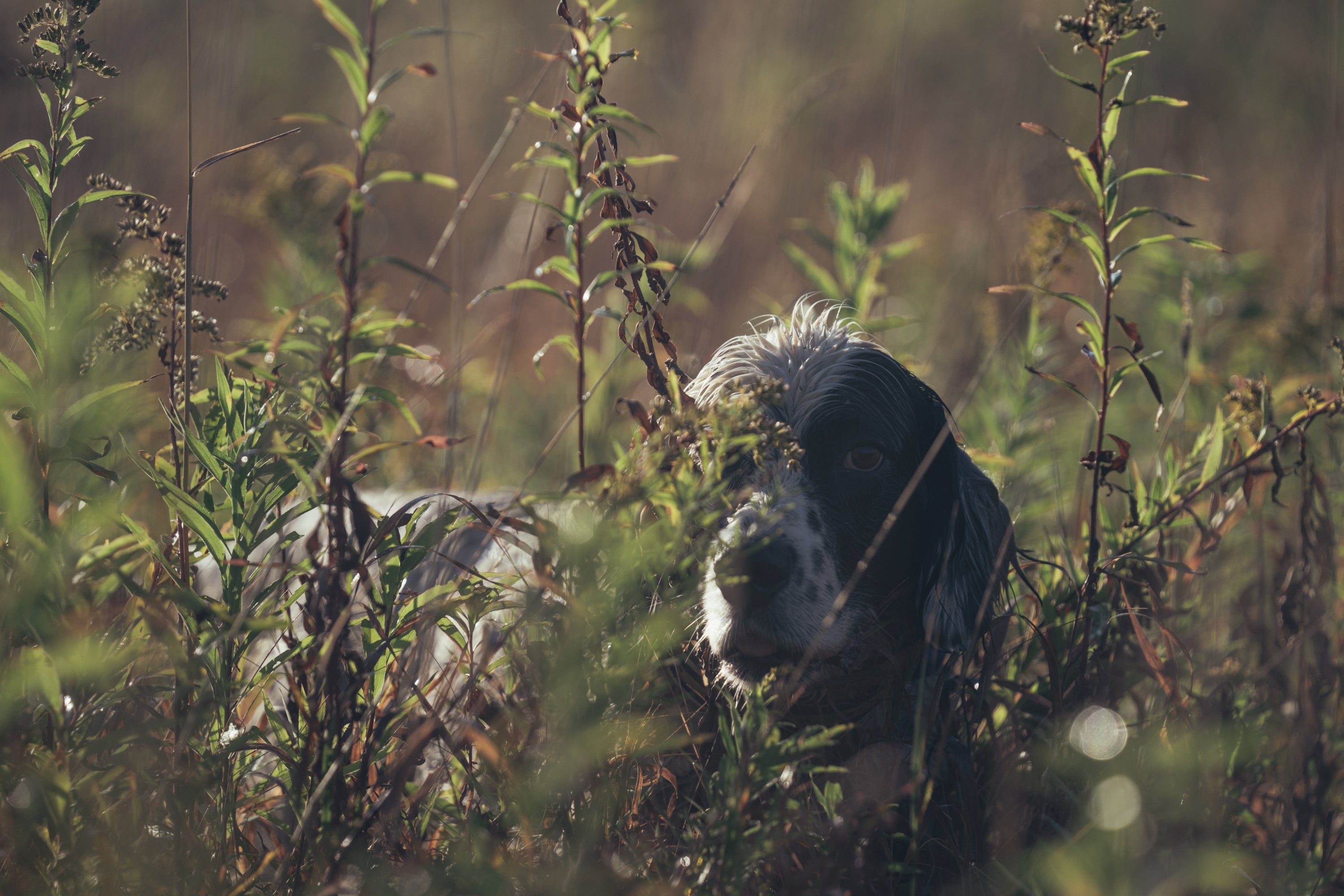
Depth makes a puppy picture feel professional. Create depth by placing the puppy several feet away from the background. This separation helps blur distant trees and reduces clutter. Use leading lines like a trail, shoreline, or fence line to guide the viewer’s eye toward the puppy. If you shoot low, the background often becomes simpler, and the puppy becomes the clear focal point.
Watch the horizon line. If it cuts through the puppy’s head, the photo can feel awkward. Shift your position so the head sits against a clean background like sky or distant foliage. Small framing adjustments can turn a good image into a standout.
Incorporating Functional Outdoor Gear for Visual Interest
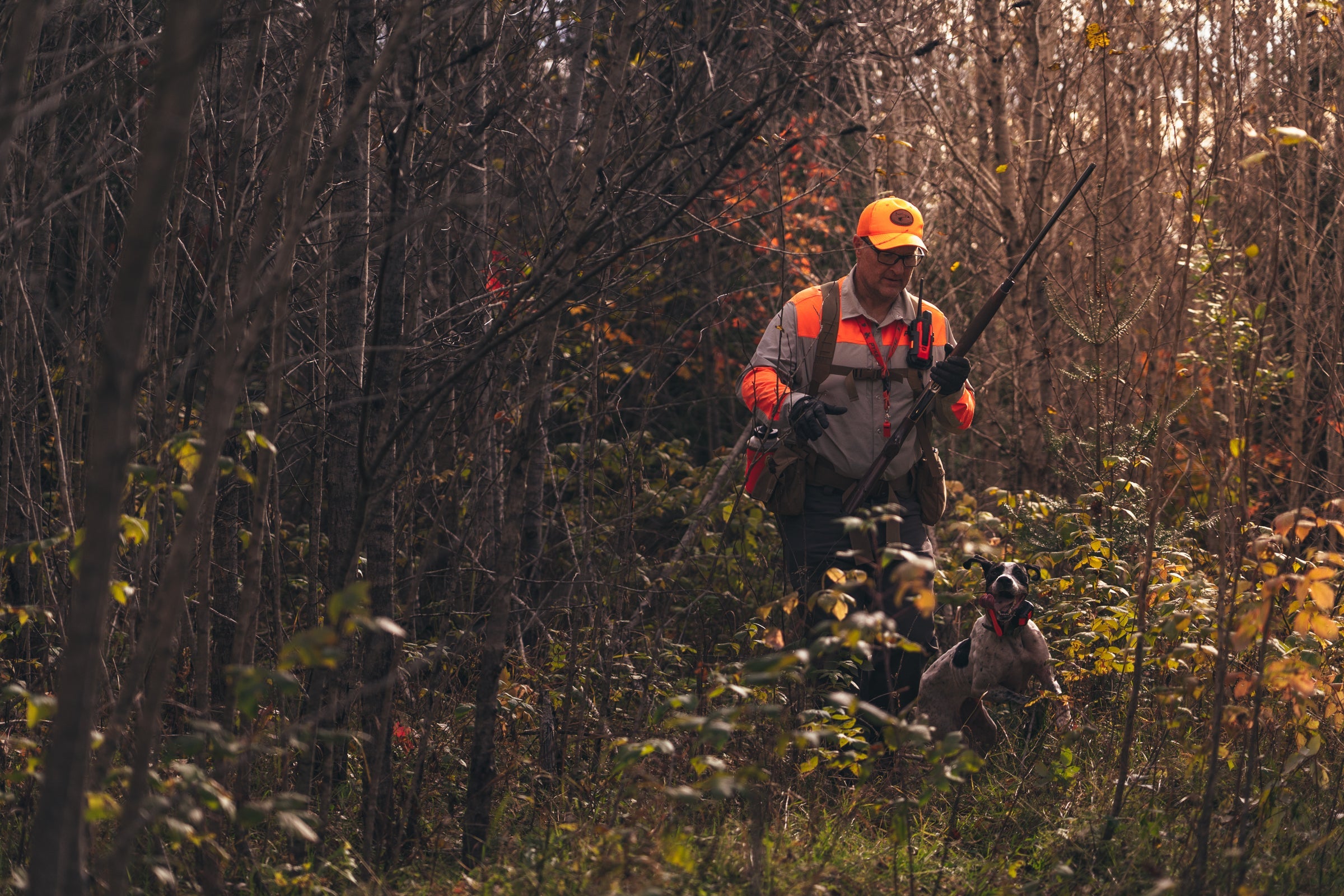
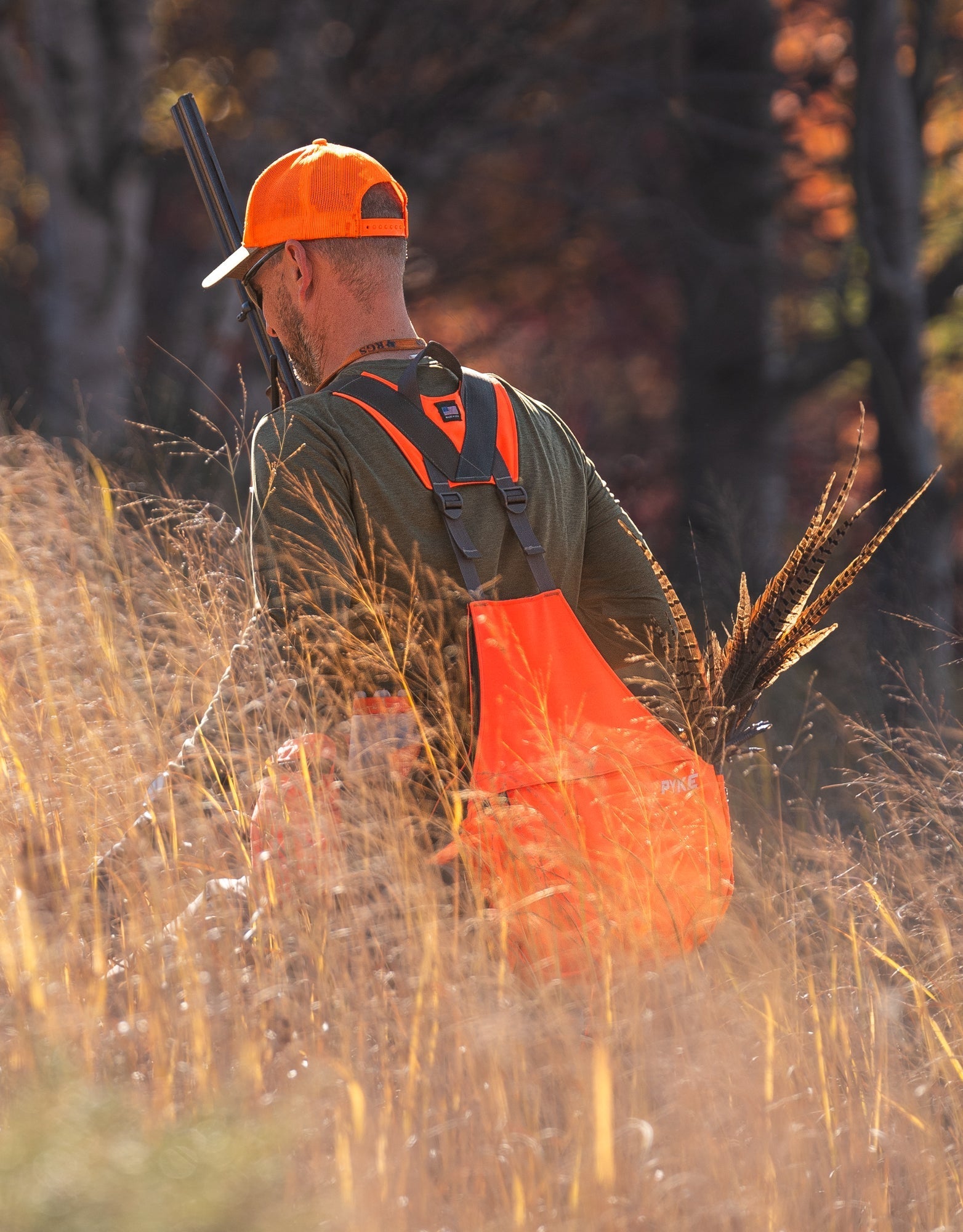
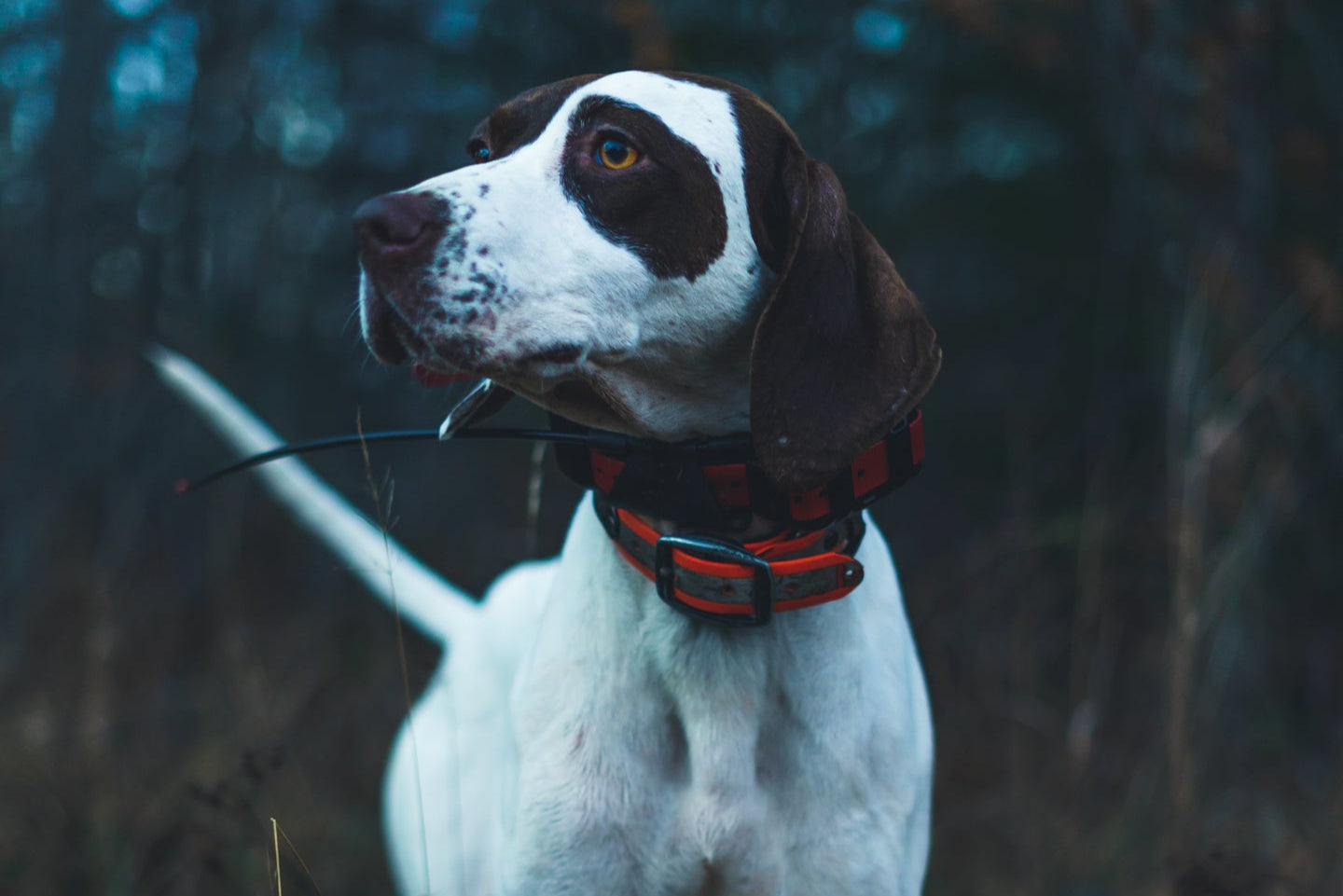
Functional outdoor gear can add context and visual interest without distracting from the puppy. A simple bandana, a well-fitted harness, or a leash in a neutral color can complement the scene. If the owner is in the frame, performance apparel with a rugged, outdoor aesthetic can reinforce the adventure theme. The goal is to support the story, not to overwhelm it. Keep colors coordinated and avoid loud patterns that compete with the puppy’s face.
For a brand-aligned approach, focus on durable, comfortable items that belong outdoors. When the scene looks authentic, the puppy picture feels like a real day outside, not a staged set.
Editing and Sharing Your Perfect Puppy Pictures
Editing should protect what makes the moment real. A light touch can improve a puppy picture by correcting exposure, enhancing fur detail, and keeping colors natural. Beginners often overdo saturation or sharpening, which can make fur look crunchy. Aim for clean, true-to-life results. After editing, share thoughtfully so friends and outdoor communities can enjoy the story behind the image.
Basic Editing for a Natural and Lively Look
Start with simple adjustments: crop, exposure, and white balance. Crop to remove distractions and place the puppy’s eyes near the top third of the frame. Lift shadows slightly if the face is dark, but avoid blowing out highlights on white fur. Adjust white balance so whites look neutral and grass looks believable. Then add a small amount of clarity or texture to bring out fur detail. If the background is busy, reduce its brightness a bit so the puppy picture stays focused on the subject.
If a leash is visible, many apps can remove it with a healing tool. Keep edits subtle. A natural look usually earns more engagement because it feels honest and timeless.
Don't Overthink It
One last tip. Don’t spend so much time worrying about getting puppy pics that you forget to just enjoy your puppy. Like I said earlier. They grow up fast and you need to take advantage of that developmental time as much as possible. Besides...there will be more.
Dave Veldman is the owner of Sport Dog Photography and an outdoor writer for conservation and hunting ( www.sportdogphoto.com). All image copyright protected and may not be used without expressed written consent.